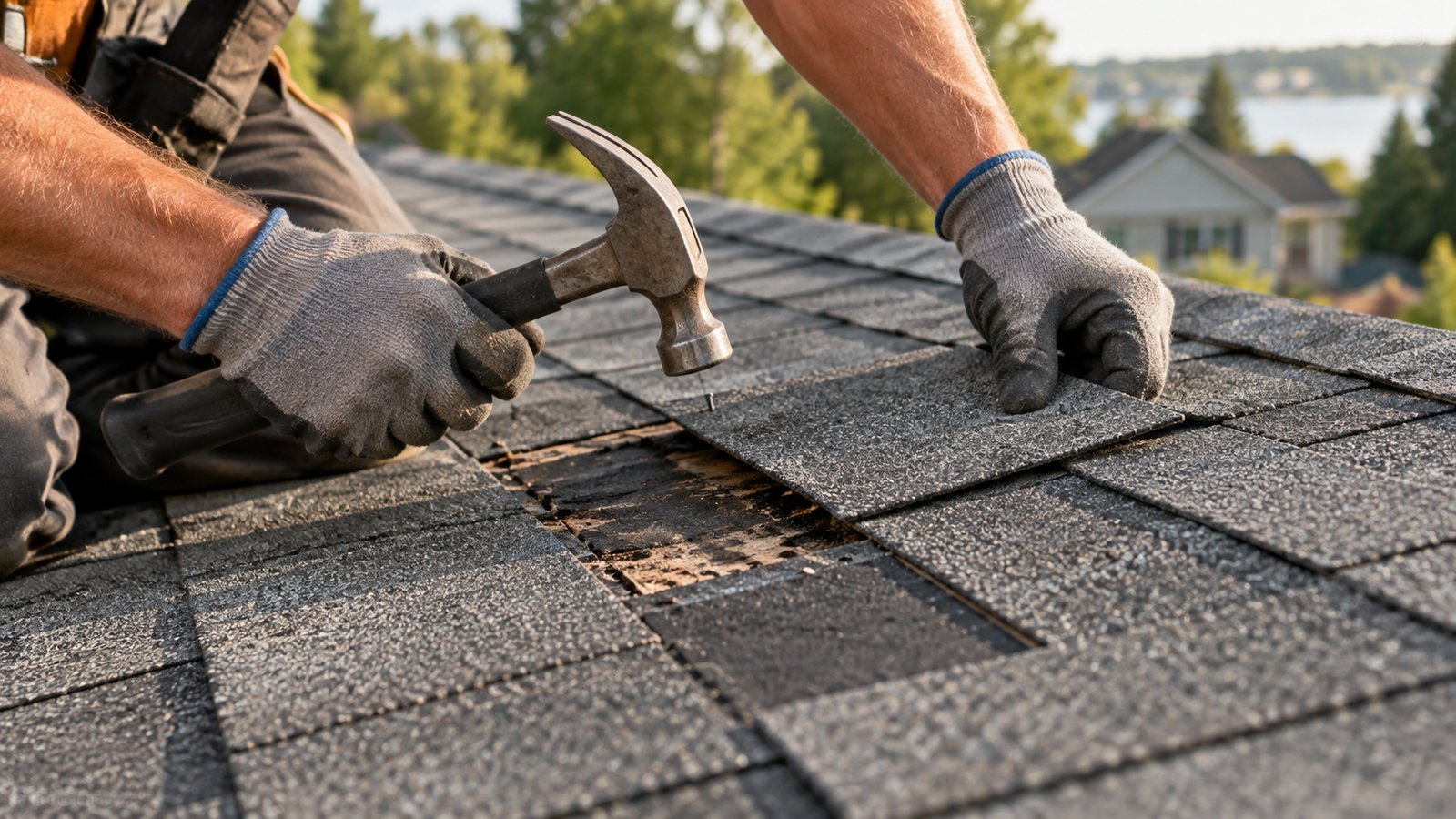
Roof Repair & Leak Tracing
Finding where water actually enters, which is rarely where it appears inside. Flashing, valleys, penetrations and fastener backout account for most leaks on roofs that are otherwise fine.
Roof Repair & Leak TracingMOCKUP — placeholder contact details, sample listings, and modeled cost ranges. Every listing on this build is a PLACEHOLDER, not a real business. Replace before launch.
Storm claim open? A contractor who offers to “take care of” your deductible is describing insurance fraud in many states. Read this before you sign
Licence-checked roofers · the code items and the claim mechanics on every city pageFree to homeowners
Claim file · 3,561 cities · 51 states
Roofing is the one trade where a third party usually pays, and that changes how it is sold. RoofX lists contractors whose licence we checked against the issuing registry, publishes the layer limit and ice-barrier rule for your jurisdiction, and explains a storm claim in plain terms — without being a public adjuster or taking a cent from a carrier.
Before you sign
What we have checked. No listing on this site with a checked licence yet; local rules not yet checked in any of the 3561 cities. We count records, not reviews.
What makes this different
Roofs are sold in the weeks after a storm, when nobody has lived with the work and review volume means least. Here is what can be checked instead.
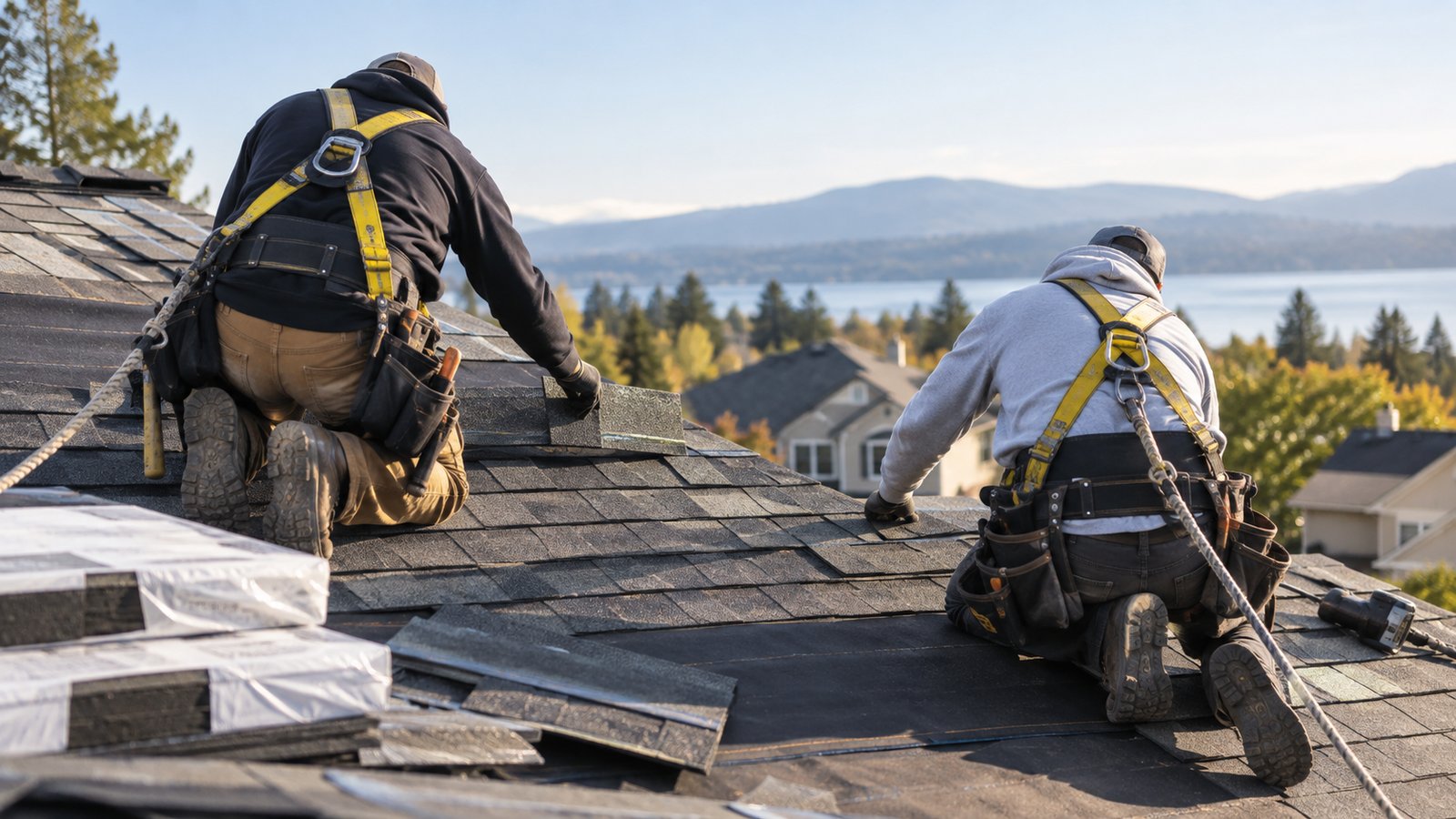
After a bad hail week, crews arrive from out of state. Many are good. The problem is that a workmanship warranty is worth what the company is worth in year three — so every listing names the entity, its number, the registry, and how long it has been at that address.
How many layers may stay, whether an ice barrier is required at the eaves, whether the deck is inspected after tear-off, and whether components need product approval for wind uplift. A bid that omits a required item is not cheaper, it is non-compliant. What each one is.
One sponsored slot per page, labelled. A request goes to at most 3 contractors, who pay us. No carrier pays us anything, and we have no interest in whether a claim is filed or what it pays.
Roofing work
Eight categories. Most leaks are flashing, valleys and penetrations rather than the field of the roof — which means the first question is where water actually enters, not what the covering costs.
Finding where water actually enters, which is rarely where it appears inside. Flashing, valleys, penetrations and fastener backout account for most leaks on roofs that are otherwise fine.
Roof Repair & Leak Tracing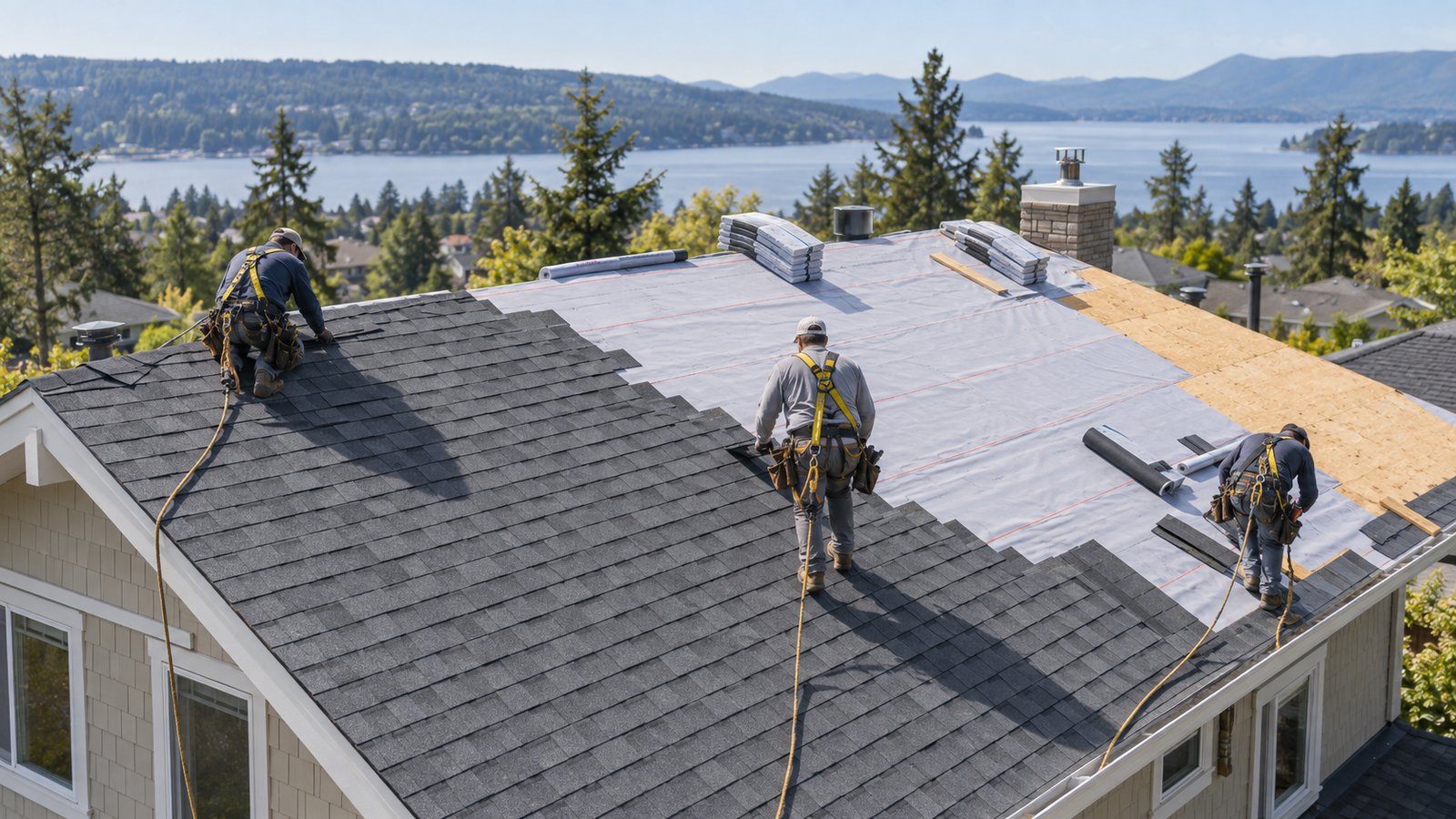
Tear-off to the deck, repairs to the decking, underlayment, ice barrier where required, then the new covering. Priced per roofing square — 100 square feet — which is how the trade quotes.
Full Roof Replacement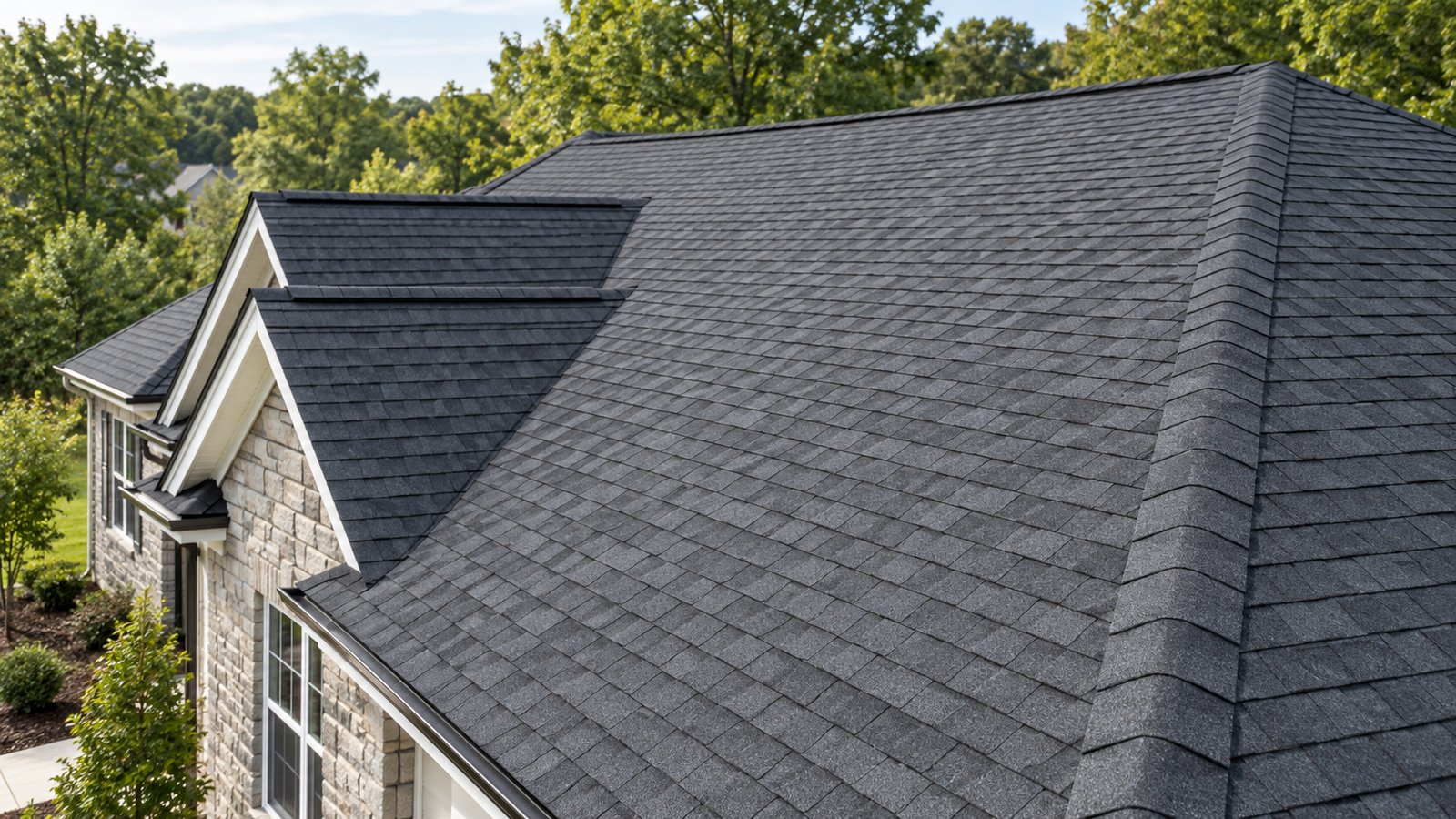
The most common residential roof covering in the country. The shingle rating matters less than the underlayment, the nailing pattern and whether the valleys and flashings were done properly.
Asphalt Shingle Roofs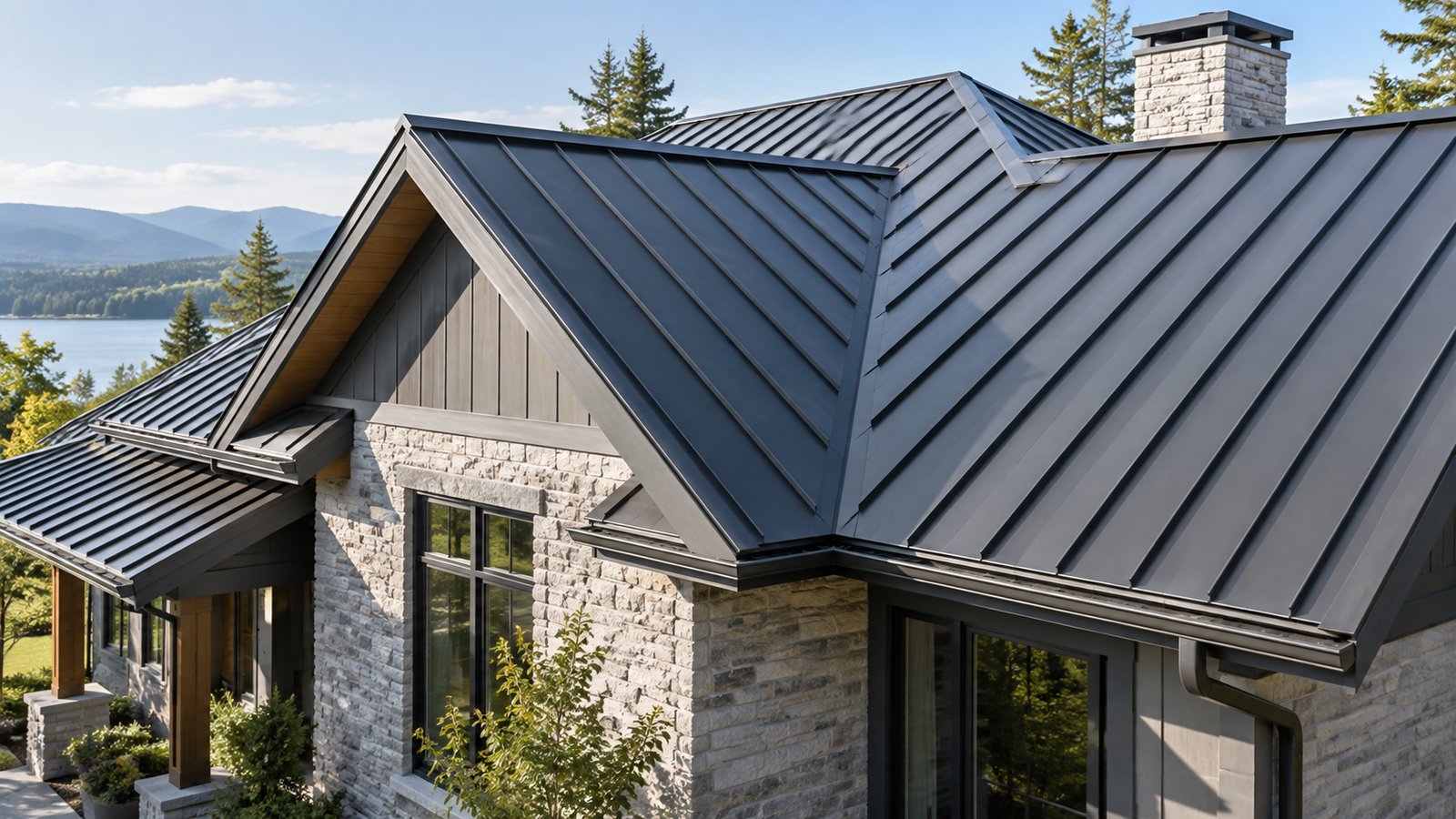
Standing seam and exposed-fastener panels. Two or three times the price of shingles, several times the lifespan, and entirely dependent on the detailing at penetrations and edges.
Metal Roofing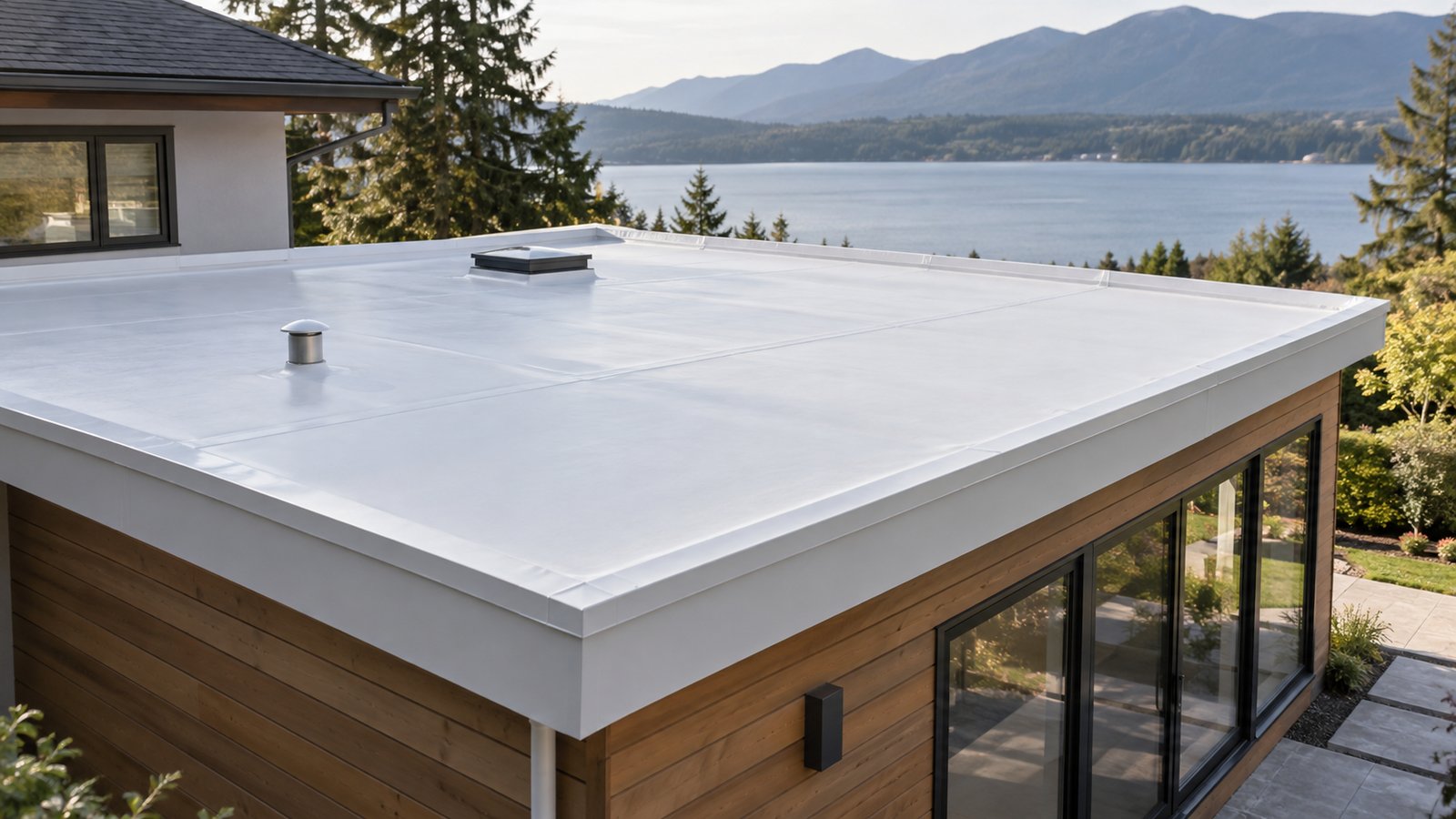
TPO, EPDM and modified bitumen on low-slope sections. The failure is almost always at a seam, a drain or a parapet, not in the middle of the field.
Flat & Low-Slope Membrane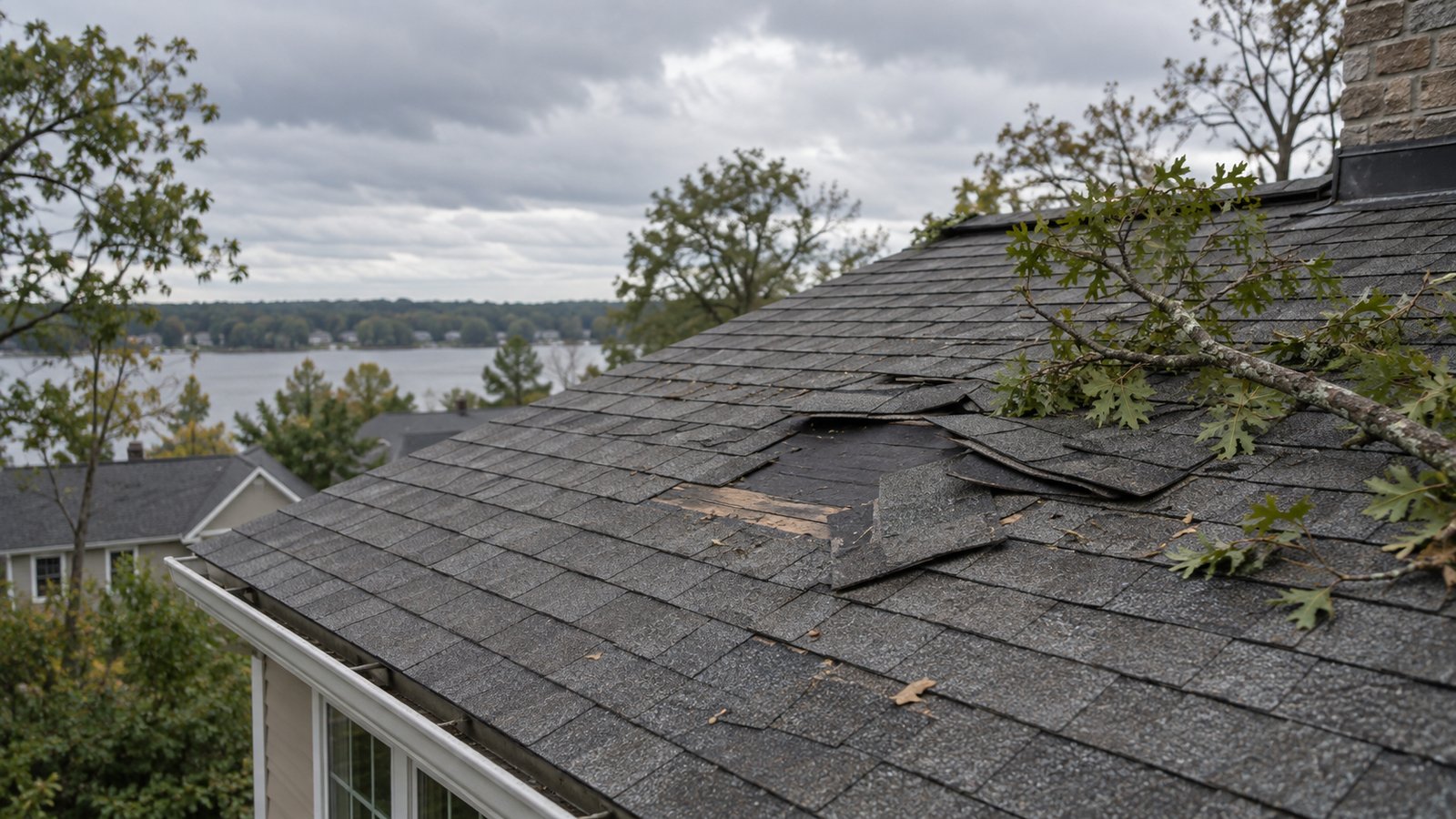
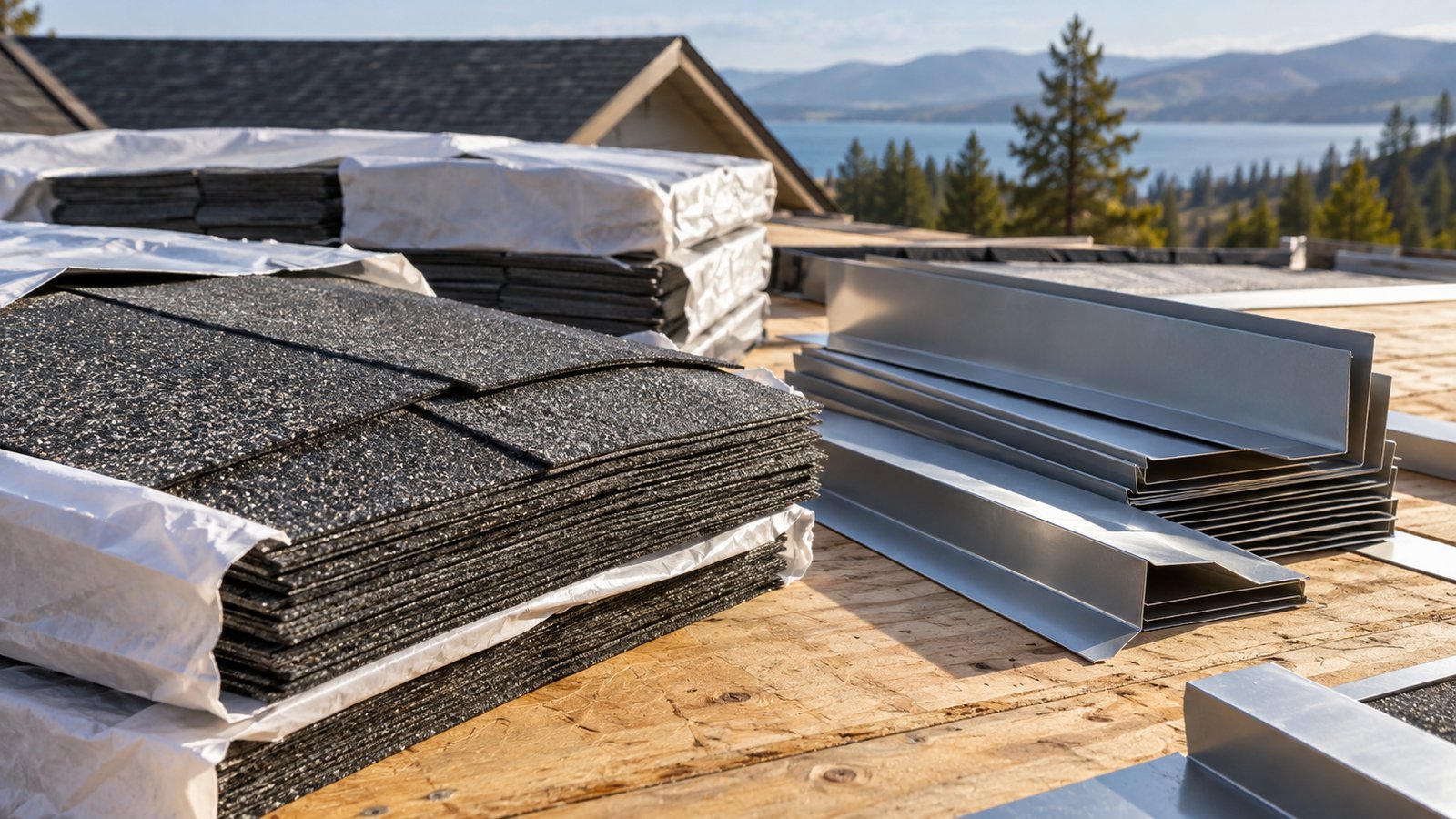
Repair or replacement paid through an insurance claim. The work is ordinary roofing; what is unusual is the paperwork, the adjuster, and the people who show up in the week after a storm.
Storm & Hail Damage Restoration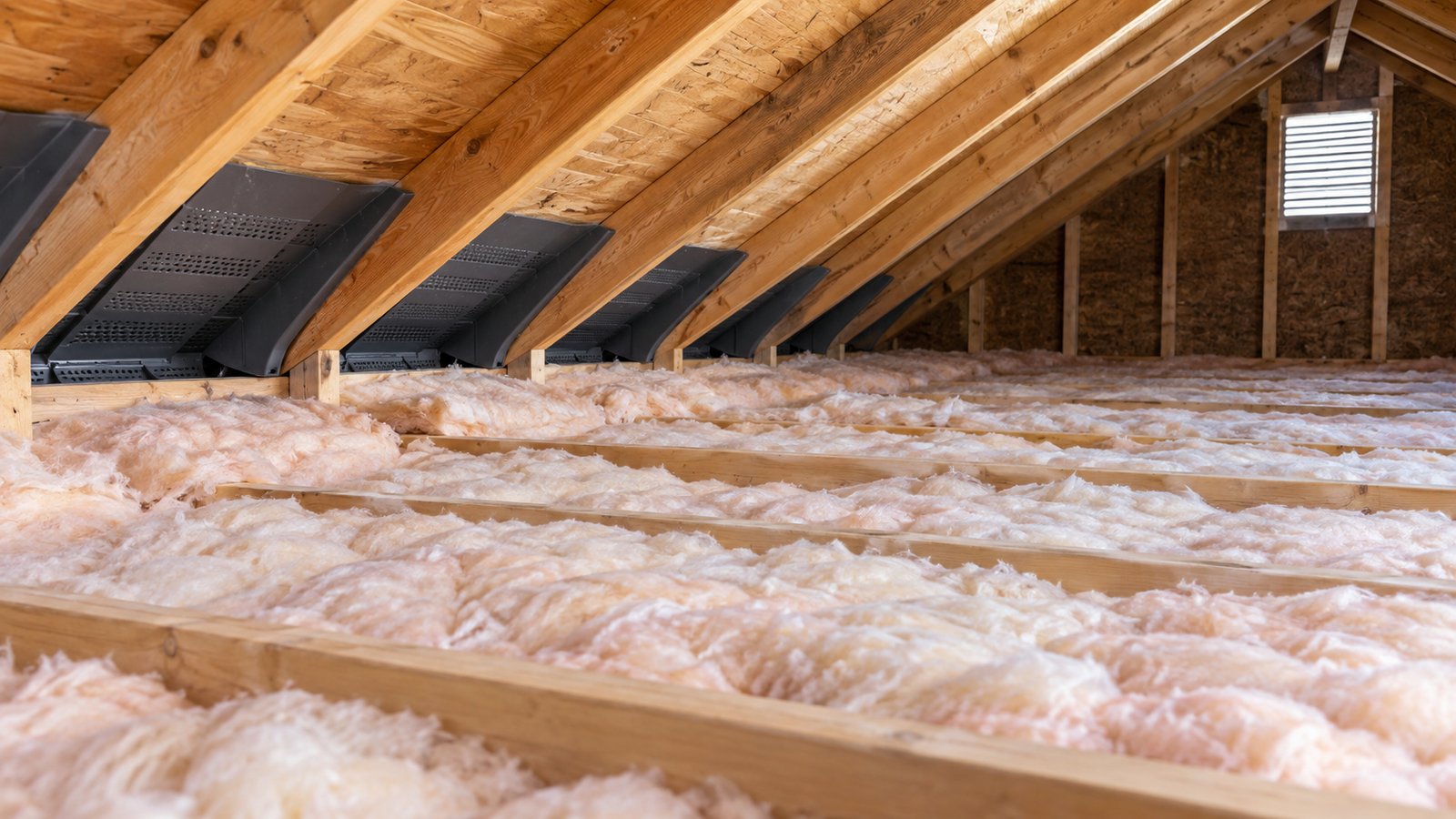
Intake and exhaust in balance, and insulation that stops the attic cooking the shingles from below. A roof that fails early often fails because of what is under it.
Attic Ventilation & Insulation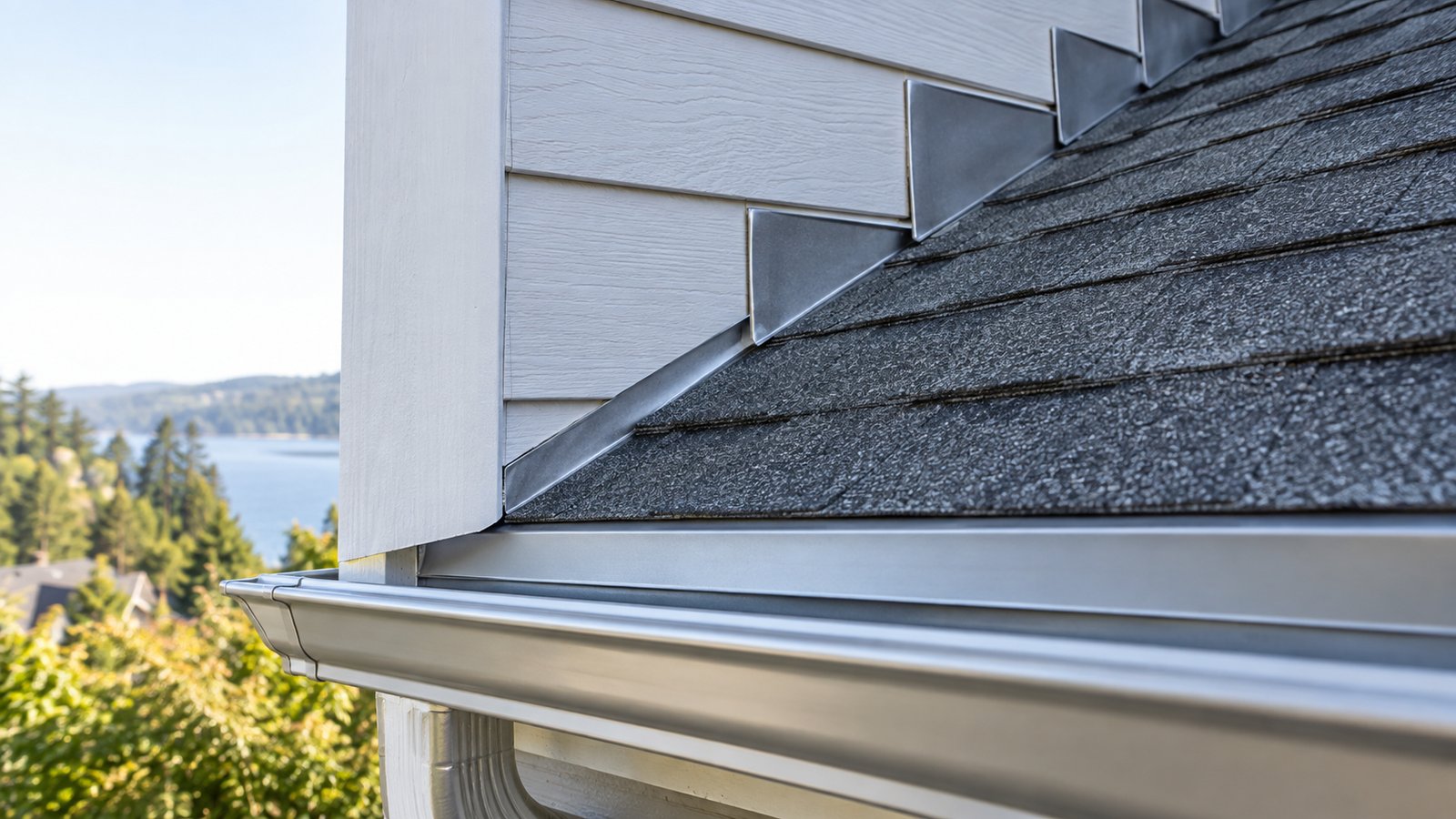
Priced per linear foot, and responsible for more water inside houses than the field of the roof ever is. Step flashing at walls is the detail most often done badly.
Gutters, Flashing & ValleysBrowse
Start with the state for its licensing regime, its design wind speed and how much hail it sees. Then pick the city for the layer limit, the ice-barrier rule and the inspection sequence.
No surprises
Common questions
Neither. RoofX is an advertising directory and referral service. We put nothing on a roof, employ no crews and hold no contractor licence — and we are not a public adjuster. We explain how a claim generally works and what to ask; we do not negotiate claims, estimate losses or advise on coverage. No carrier pays us anything.
In a large number of states that is insurance fraud, explicitly legislated against, and the exposure is not only the contractor's — a homeowner who knowingly signs an inflated invoice is part of it.
It is also a signal about the rest of the bid. A contractor willing to misstate a price to a carrier is telling you how they handle paperwork in general. The deductible is your share of the loss; a contractor who makes it disappear has either inflated the claim or is recovering it somewhere you cannot see.
Because we have not collected any, and publishing ones we did not collect would be fabrication — which the FTC's Rule on Consumer Reviews and Testimonials treats as a violation with civil penalties per instance.
The timing defeats them anyway. Roofs are sold in the weeks after a storm, when nobody has lived with the work through a winter. A licence, a permit record, an address with some history and a check date still mean something in three years.
Nothing. Contractors pay for the single sponsored slot on a page, and pay a fee for requests we pass to them. We take no percentage of the work and no money from any carrier.
At most 3, all serving the area of the property you entered. Not resold to a lead broker. You can have the request deleted at any time by emailing support@roofx.net.
Because the layer limit and the ice-barrier requirement are local, and both are line items a bid either includes or omits. Where a page shows them we have read the adopted code and linked it; where it does not, the page names the office to call — which is more use than printing the model code as if it were your amendment.
One request, up to 3 local roofers, no charge to you — and a plain explanation of what the claim will and will not pay for.
Get quotes